
Price checking guide
Where to Check Pokemon Card Prices Before Selling
The best place to check Pokemon card prices is not one single listing. Use exact card identity, recent market context, and condition-matched comparisons before you sell or trade.
Start with the exact card, not the marketplace
Price checking goes wrong when you search too broadly. Before opening a marketplace or price tool, identify the card name, set, collector number, finish, and condition.
Once you know the exact version, you can compare prices with much less noise.
Use multiple kinds of price signals
No single source is perfect. Active listings show what sellers want. Recent sales show what buyers accepted. App-based price views can make comparison faster, but the same rule still applies: match the exact card.
- Recent sold prices are usually more useful than high active listings.
- Raw prices should be compared with raw cards in similar condition.
- Graded cards should be compared by grading company and grade.
- Rare variants need extra checking because one wrong finish can change the estimate.
Real Kardex examples
Price checks should start from a verified card
These database examples are the kind of card records you want before comparing marketplaces or deciding whether a price looks real.
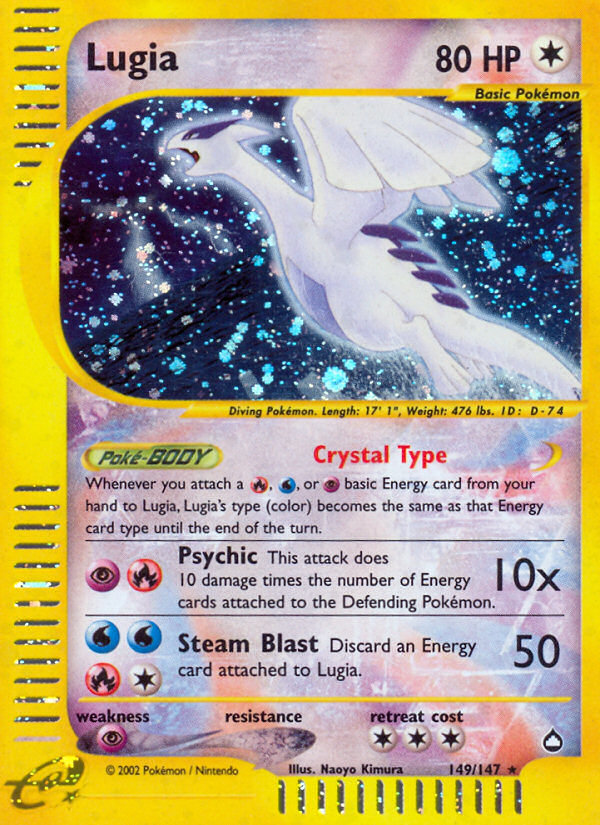
Lugia
Aquapolis #149
Rare Secret Market price $1,000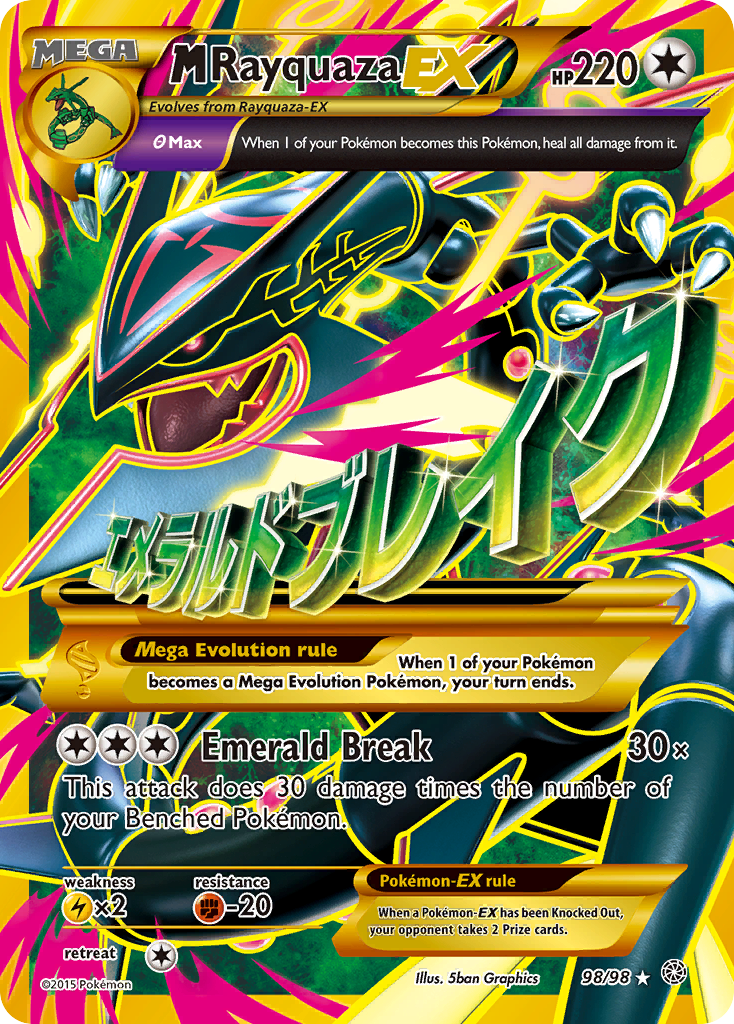
M Rayquaza-EX
Ancient Origins #98
Rare Secret Market price $985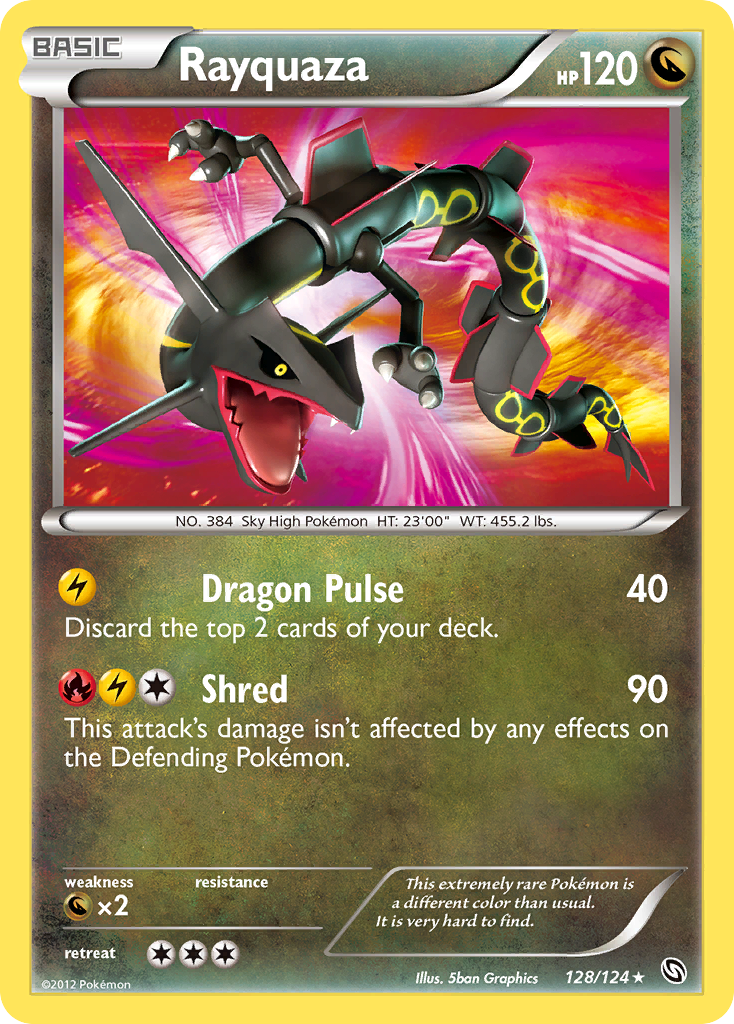
Rayquaza
Dragons Exalted #128
Rare Secret Market price $970Avoid the highest-listing trap
A card listed for a high price is not automatically worth that amount. Sellers can overprice cards, confuse variants, or leave stale listings online.
If you are selling, a realistic price usually comes from comparing several relevant signals and choosing a range you can defend.
When to be extra careful
Slow down when a card appears expensive, has an unusual stamp, looks like a promo, or exists in many similar versions. These are exactly the situations where a wrong match can produce a bad value estimate.
- Vintage holos with condition issues
- Promos and stamped cards
- Alternate arts and special illustration rares
- Japanese cards with different market behavior
- Raw cards being compared to graded slabs
Keep a price record if you are not selling today
If you are building a collection, the current price is only one moment. Save the card, note the condition, and revisit the value later. That habit matters more than chasing a perfect estimate from one search.
Asking price is not market price
The single most common mistake is searching a marketplace, seeing the highest listing, and treating it as the value. Anyone can list a card at any price. A listing proves what one seller hopes for, not what buyers paid.
What you want is the market price: what the card actually trades at now, across recent sales. When you compare listings yourself, filter to sold items rather than active ones, and ignore the outliers at both ends.
Match the version before you compare the price
Before a price means anything, four things have to match: set, collector number, finish and condition. Miss one and the comparison is worthless. Charizard alone illustrates it — these are all English Charizard cards, raw Near Mint, as of August 3, 2026:
A seller quoting you the first number while holding the last is not necessarily dishonest. Usually they simply searched the name.
- Charizard, Plasma Storm #136/135 — $1,150.00
- Charizard, Vivid Voltage #025/185 — $3.54
- Charizard Spirit Link, Evolutions #75/108 — $0.35
Always check when the price was measured
A price without a date is half a fact. In the 30 days to August 3, 2026, Rayquaza V from Evolving Skies rose 35.5% to $90.88 while Iron Valiant ex from Prismatic Evolutions fell 24.6% to $53.31.
Moves like that are ordinary, especially around set releases and restocks. Every set list on this site shows the date its prices were last updated, and a 30-day change per card, so you can see the direction rather than only the number.
Check current prices by set
Full card lists with raw Near Mint market prices and 30-day movement.
FAQ
Should I use eBay asking prices for Pokemon cards?
Use them carefully. Asking prices show seller expectations, not confirmed value. Sold or market-based context is usually more useful.
Why do different sites show different Pokemon card prices?
They may use different marketplaces, update timing, card matching rules, condition assumptions, or raw versus graded comparisons.
Can I price a card from just the name?
Not reliably. You need the set, number, finish, and condition before the price comparison is useful.
Why do two sites show different prices for the same card?
They measure different things: some show the current lowest listing, some an average of recent sales, some a modelled market value. Check which one you are reading, and compare the same measure across cards.
How recent does a price need to be?
For a card you are about to buy or sell, within a few days. Cards with real demand routinely move 10 to 30 percent in a month, so a price from last season is context, not a quote.
Check Pokemon card prices with Kardex